

Synopsis
The seventh stage of the Reality Nascentes da Crise was based on research carried out by American and Chinese scientists in a study published in early 2020 by the BioRxiv portal, operated by the Cold Spring Harbor Laboratory. The diarist and neo-naturalist Diego Gazola travelled approximately five thousand kilometres from north to south across Thailand over thirty days.
A new expedition reveals curiosities and seeks evidence that correlates with the discovery of 33 types of virus, 28 of them unknown to science, resulting from the accelerated melting of ice due to climate change on the Tibetan plateau. Potentially, according to this line of investigation, one of them may be associated with the emergence of the new coronavirus (SARS-CoV-2), which has paralysed humanity since December 2019.
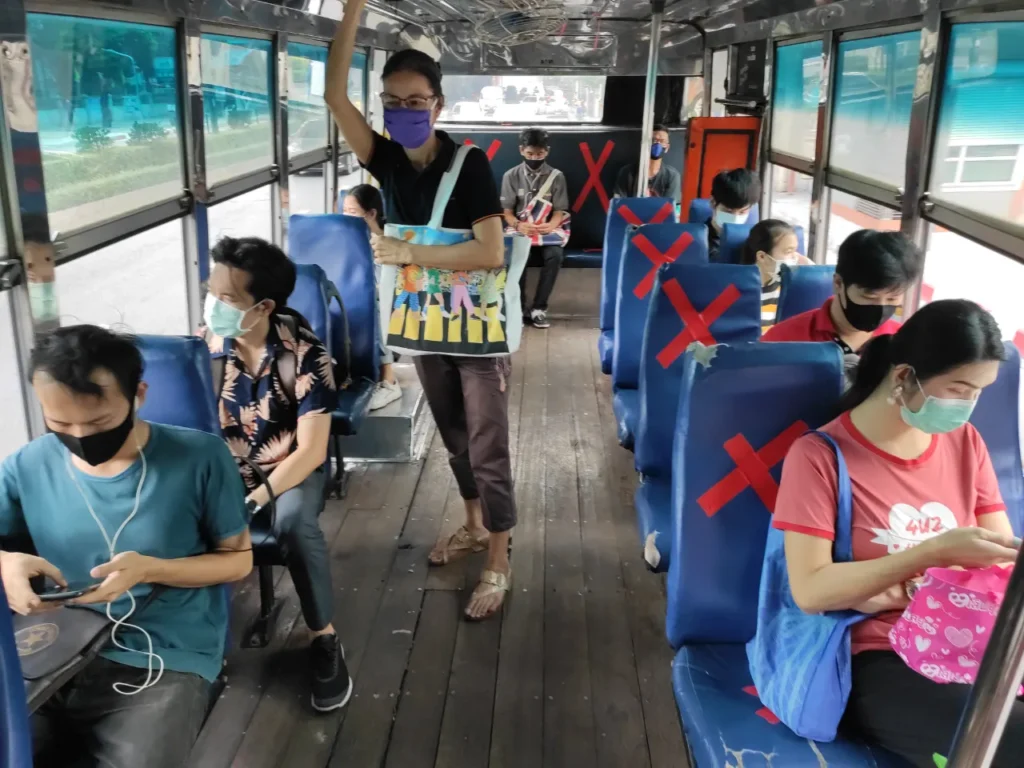
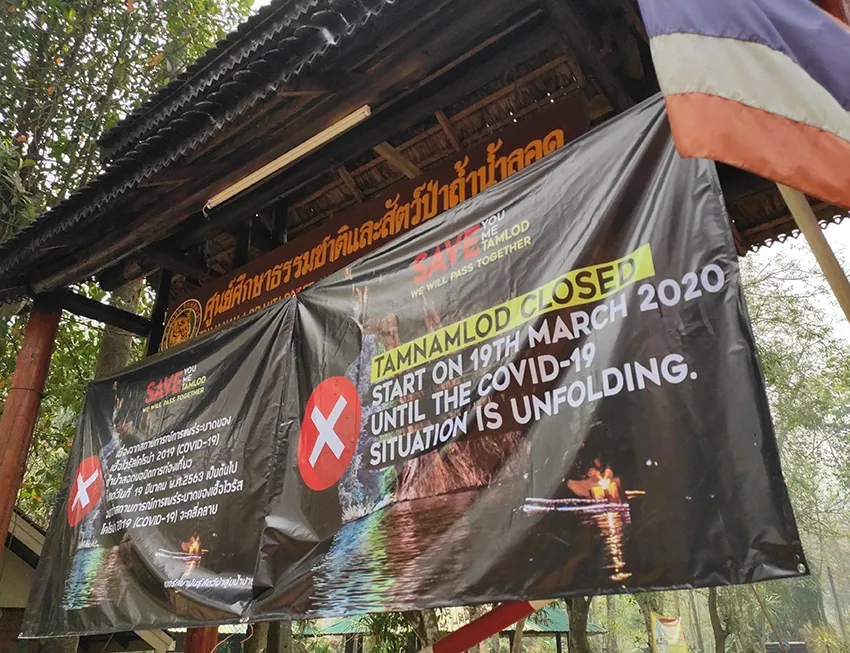
Our journey to Asia began on 11 March 2020, when the World Health Organization (WHO) declared a global COVID-19 pandemic. During a layover in Germany, with changes to transit schedules, another stopover by Gazola, which was to be in Beijing, China, was cancelled. Therefore, the investigator had to wait 24 hours to be flown directly from Frankfurt to Bangkok, the capital of Thailand.
The research was geographically oriented along the courses of three rivers: the Yangtze, the Salween and the Mekong. All three originate in Chinese territory, not in Tibetan territory, but flow in different directions.
The first flows east, passing through the urban centre of Wuhan, epicenter of the new coronavirus, and empties into Hangzhou Bay, in Shanghai. The Yangtze is the third-longest river in the world, behind the Amazon and the Nile. As the borders were closed, it was not possible to cross the river in China.
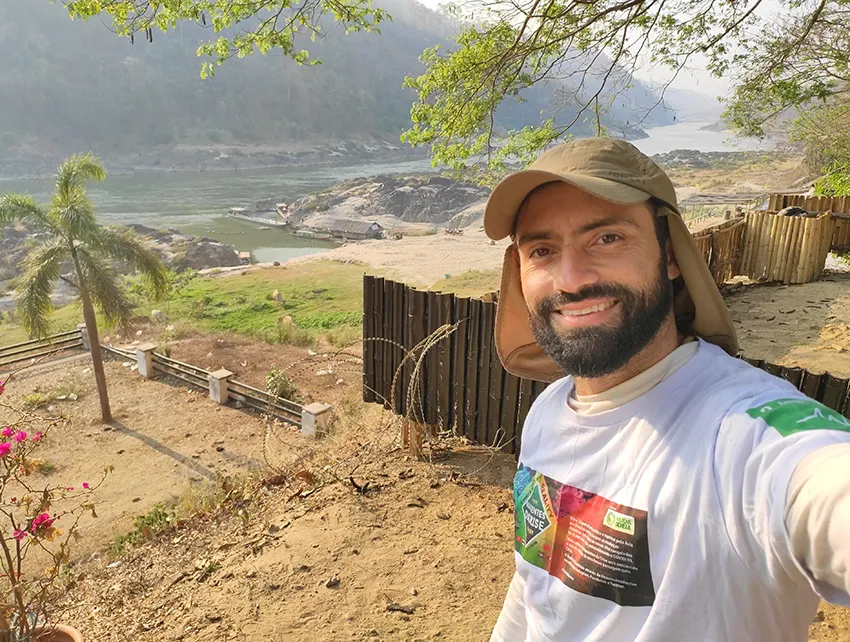
The Salween River, which also rises in Tibet, runs south, forming part of the border between Myanmar and Thailand. After a 700-kilometre motorcycle journey and much negotiation with the border guard, the researcher obtained authorization to collect the water sample near the town of Mae Ho.
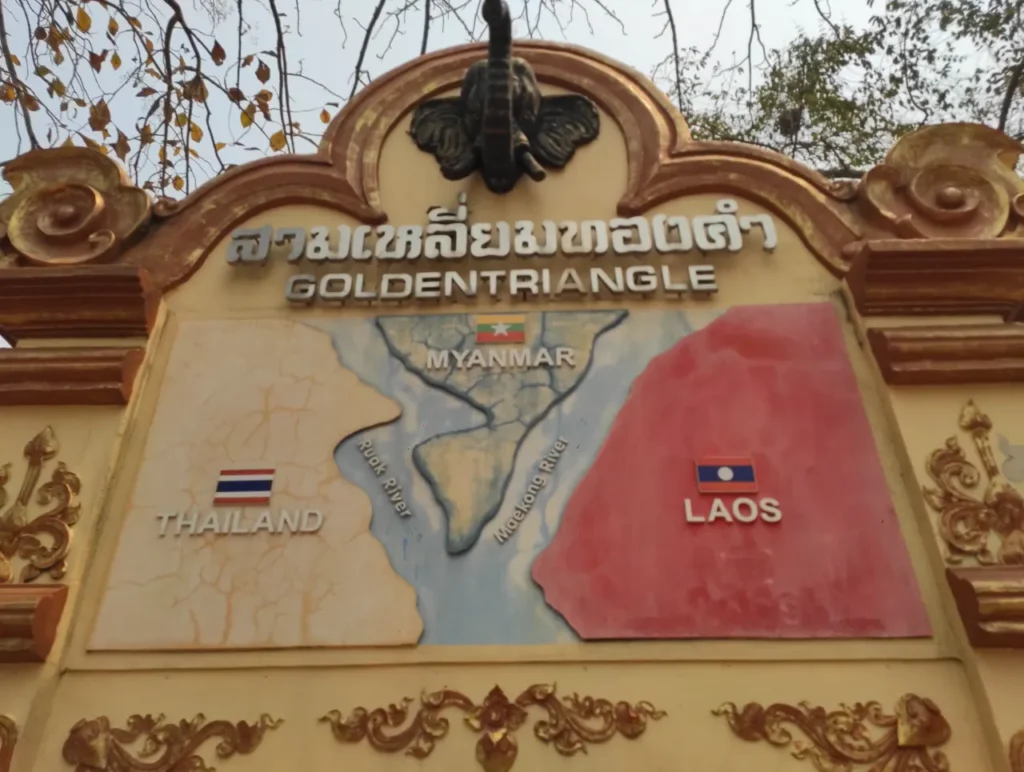
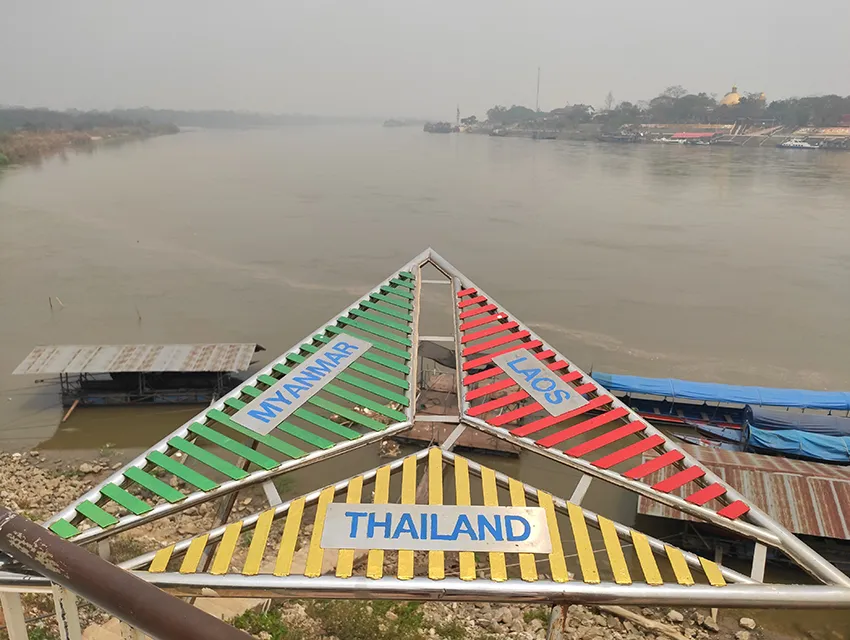
The third river covered in the documentary is the largest in Southeast Asia. The Mekong flows in a southeasterly direction, crossing, after China, five other countries: Myanmar, Thailand, Laos, Cambodia, and empties into the South China Sea, in the far south of Vietnam. The water sample was collected in a region known as the Golden Triangle, in the town of Chiang Saen.
Gazola agrees that in the liquid state water molecules by themselves do not transmit viruses, but he considers that the fact that Wuhan is located on the banks of the Yangtze River is a relevant factor to consider in investigating the origins of COVID-19. “In general, cities develop along bodies of water. Human beings, like fauna, move between territories and watercourses are suitable for movement. In the line of investigation that I support, the emergence of the new coronavirus may be related to global warming and the consequent acceleration of ice melt at the sources of these important Asian rivers”, the investigator highlights.
Now, the challenge is to find partners to carry out the analysis of the evidence in order to map possible traces of pathogens present in the samples.
Location
Gallery