

Synopsis
The ninth stage covered more than 5,000 kilometres of land over thirty days in the region where the hurricane season occurs in Central and North America.
The natural phenomenon forms in this equatorial region of the Atlantic, between Africa and the Caribbean, due to the confluence of a series of factors, including the abnormal increase in ocean water temperature.
Hurricanes are known for causing material and human devastation wherever they pass, but they also provide a positive environmental service from the point of view of the planet. These climatic anomalies contribute to temperature regulation and bring precipitation to areas that, in many cases, suffer from a significant water shortage.
Just as the Amazon helps regulate the climate in territories far from the biome, such as south-central South America, hurricanes also play a similar role through the moisture they carry as they move across Central and North America.
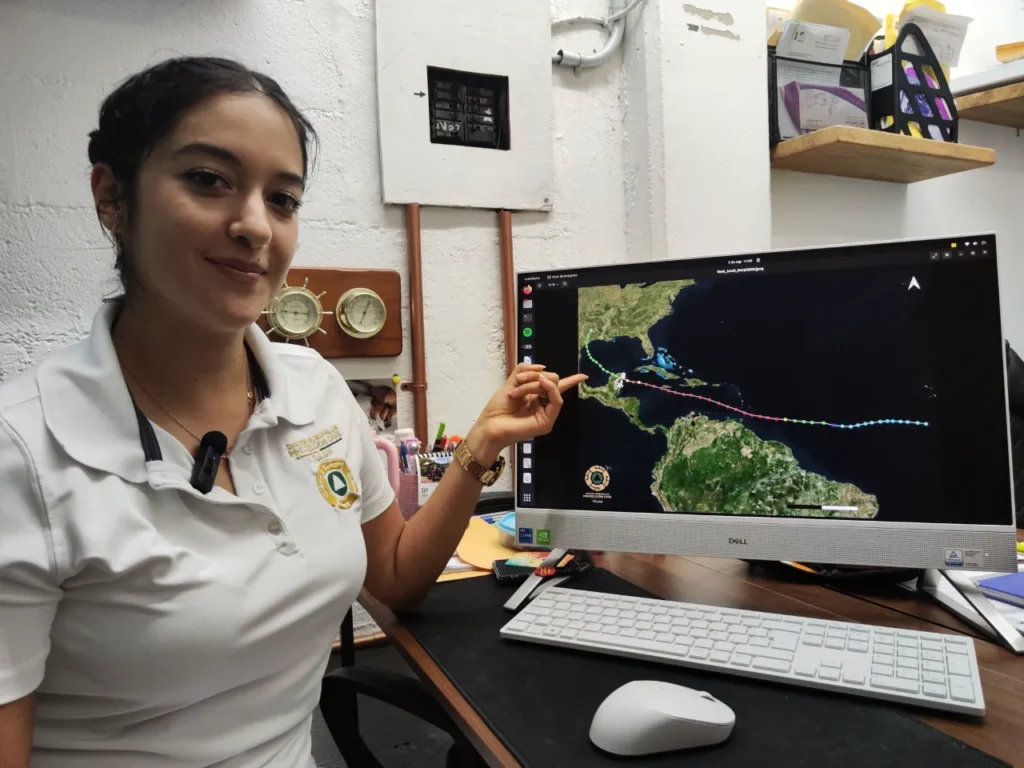
In Tulum, in the region near Cancún, on the Caribbean coast, in July 2024 Hurricane Beryl passed through the Gulf of Mexico and, by influencing the climate of the northern region of the country, brought torrential rains to the second most important metropolitan region in the country. In Monterrey, the storms helped fill water reservoirs that were on the verge of collapse.
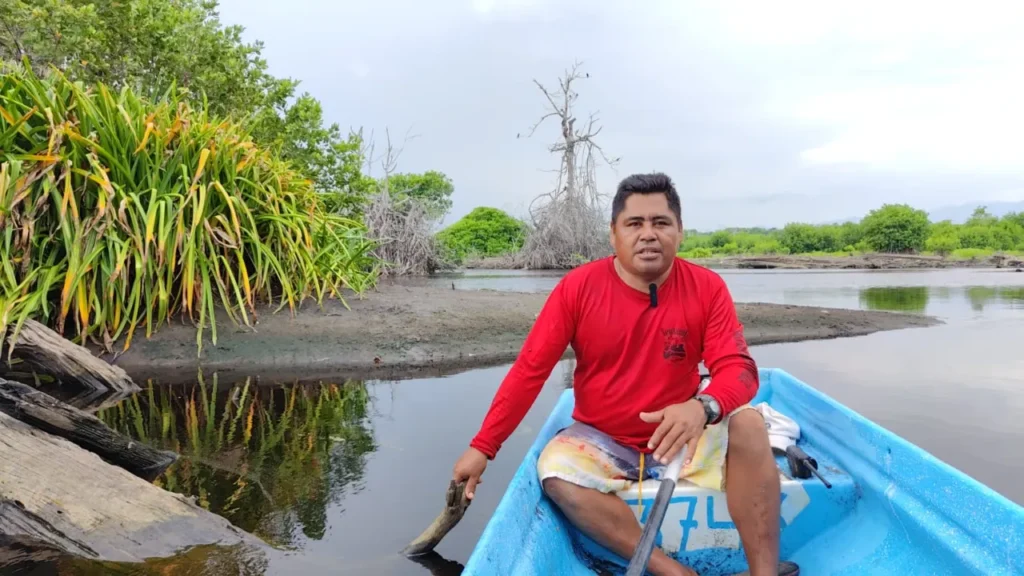
In Acapulco, on the Mexican Pacific, the main coastal resort frequented by the inhabitants of the Capital, the aftermath of Hurricane Otis (2023) was recorded. Testimonies from neighbours about the impacts on flora and fauna, in addition to the curious economic benefit that San Marcos, a nearby municipality, received by becoming a commercial support point for refugees during the critical period.
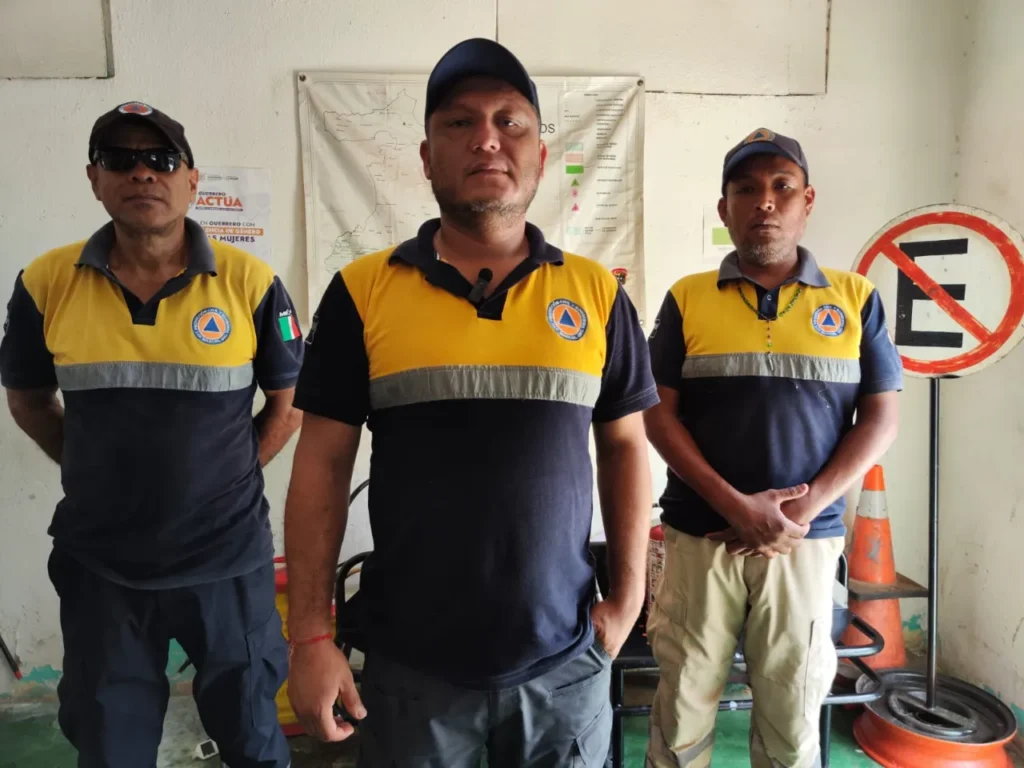
Below are the impacts of the historic hurricanes Pauline (1997) and Agatha (2022) on the coasts of the state of Oaxaca. In a comparison between the intervals of the incidents, Santa María Tonameca, one of the municipalities affected by both, absorbed the lessons learned and today approaches this natural phenomenon in order to become resilient to future events.
Still during the occurrence of Hurricane Agatha (2022), it is shown how the opening of a floodgate on the Coatán River flooded the Mexican city of Tapachula, on the border with Guatemala, completely destroying several houses and even a school.
In Guatemala, three cases of possible interactions between hurricanes and volcanoes are presented.
More recently, in 2005, during Hurricane Stan, a dam of water and sediment on the Santiago Atitlán volcano burst, destroying the town of Panabaj. Local leaders were interviewed, describing what changed in the lives of these people after being relocated to another region.
Also in the same region, but in the 16th century, the story is told of the Agua Volcano which, in the same way, after days of intense rain potentially generated by a hurricane, a lake burst at the top of the volcano. The event generated a flood that completely destroyed the old capital of Guatemala.
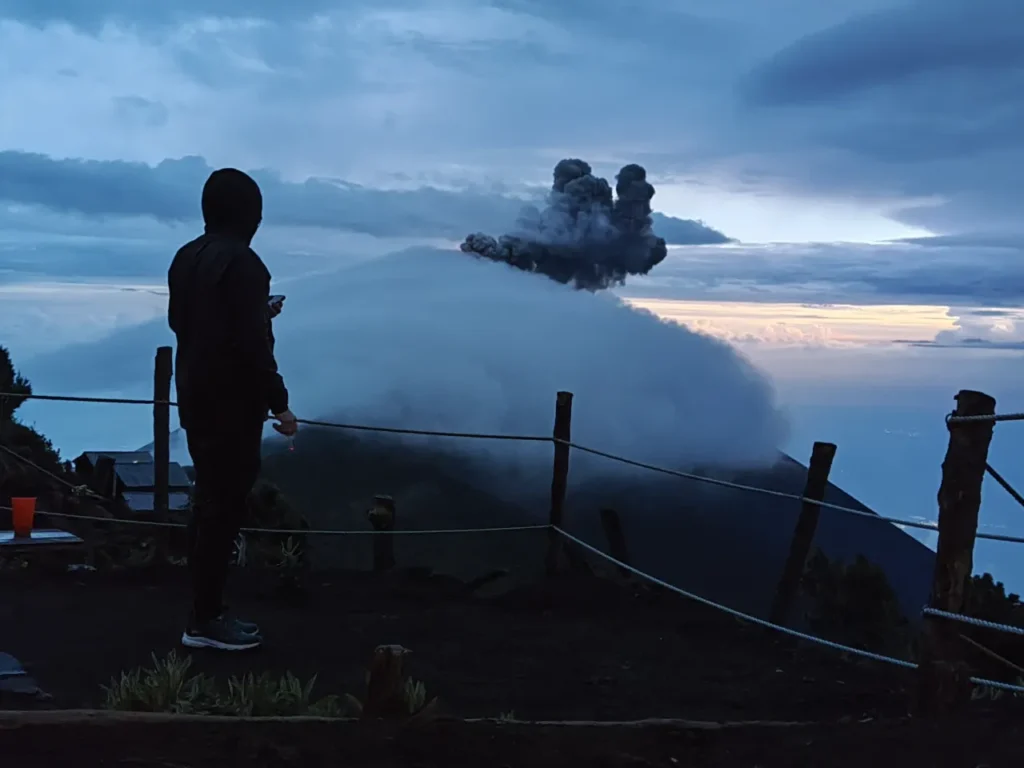
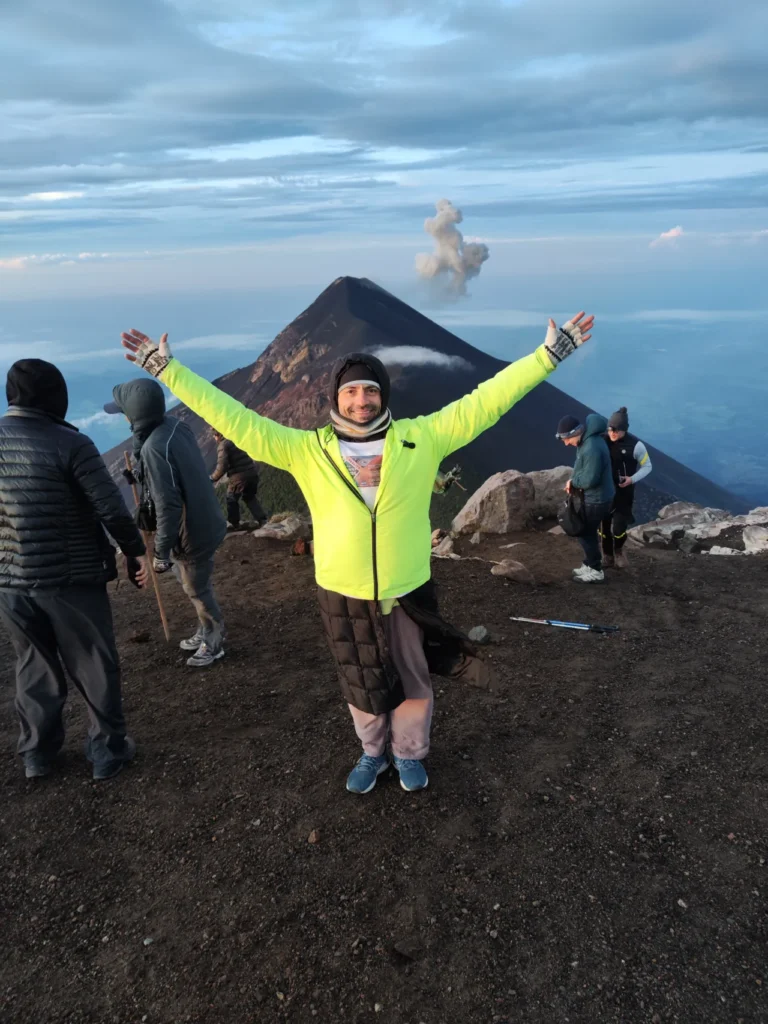
The active Fuego Volcano, in its last major eruption in 2018, destroyed the towns of El Rodeo and San Miguel Los Lotes. A survivor of the tragedy still lives there today, despite having lost dozens of relatives there. She gave an interview describing her experience.
In another record, in this case in the northern region of Guatemala, the research was carried out in Tikal National Park, considered the cradle of the Maya civilization. There, stone pyramidal constructions indicate how, in addition to ceremonial and residential uses, the structures served as protection against the elements of nature for thousands of years.
In El Salvador, its capital San Salvador is presented, which holds the record for the eruption of the Ilopango volcano, which in the 6th century is said to have erupted, causing impacts worldwide and altering the average temperature of the planet.
Location
Gallery