

Synopsis
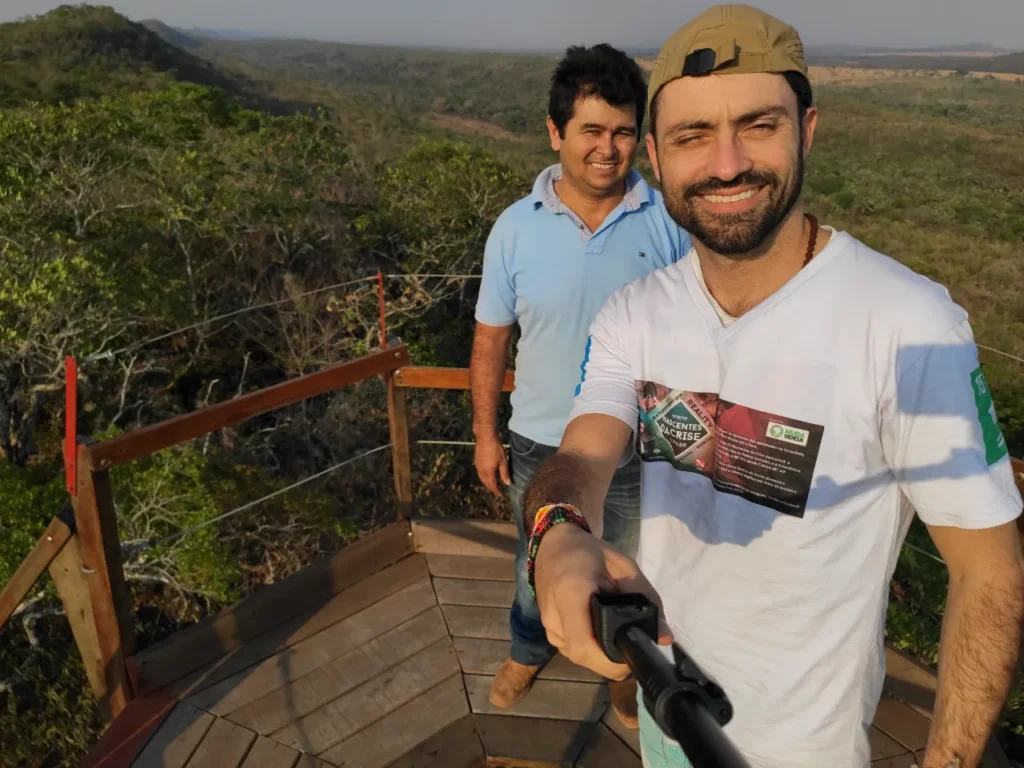
The sixth stage of the Reality travelled through the epicenter of the controversial fires in the Amazon.
The research was carried out along the BR-163 highway between Cuiabá (Mato Grosso) and Itaituba, in Pará, a region where the so-called “Day of Fire” was organized on the frontier of agribusiness expansion.
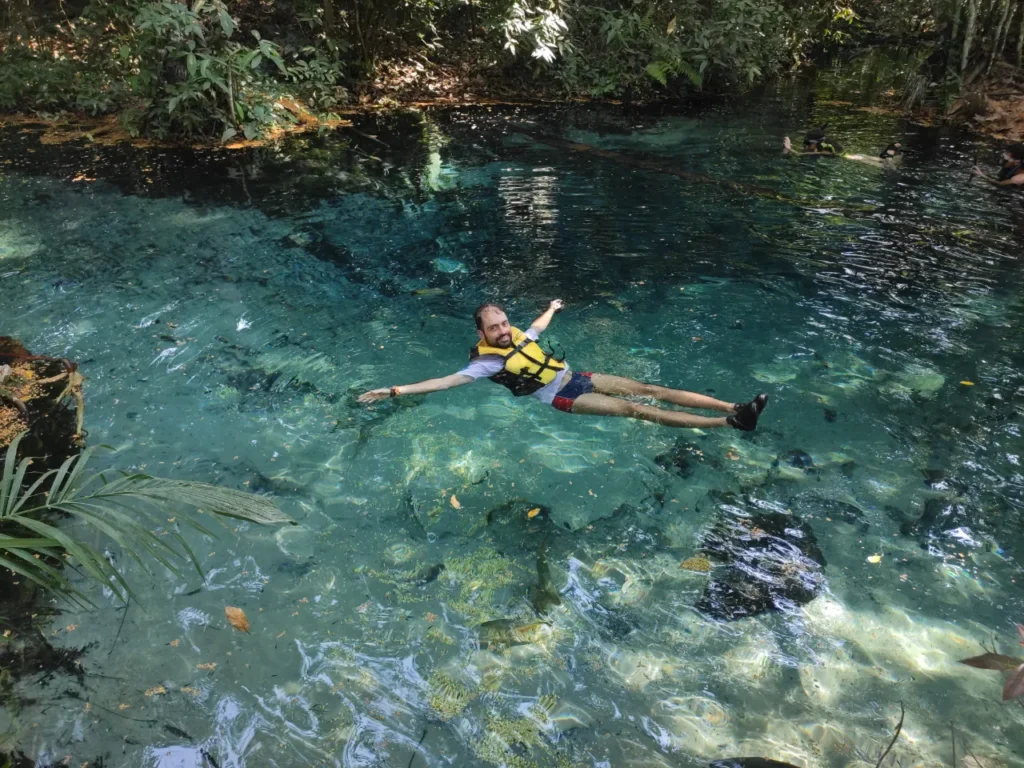
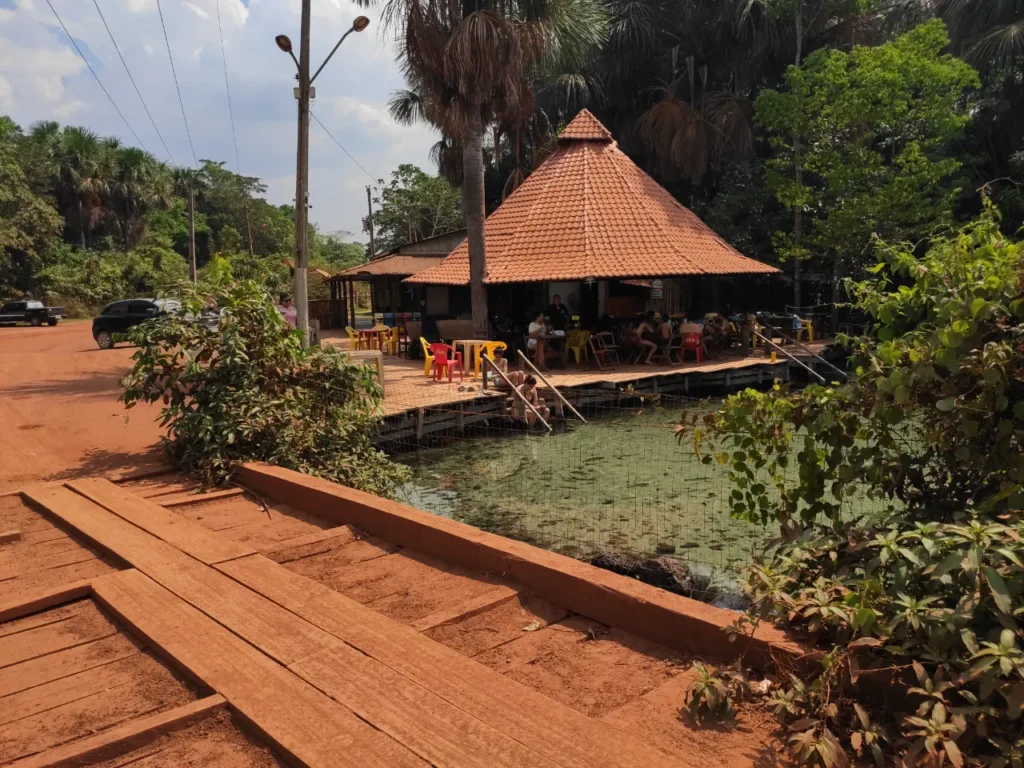
The first destination was the municipality of Nobres, 120 kilometres from the capital of Mato Grosso. Besides being a natural paradise with crystal-clear rivers, the region is home to the source of the Paraguay River, which lies on the divide between the River Plate basin and the Amazon Basin. The environmentalist then headed to Sorriso, a city recognized by Federal Law as the National Capital of Agribusiness. There he filmed macaws eating potentially transgenic corn and brought reflections on the export of virtual water through grains (corn and soy) whose destination is mainly the production of animal feed.
Sinop, another agro-industrial powerhouse located on the banks of the BR-163, was also documented. As we passed through the city, the first rain fell after more than a hundred days of drought. The storm originated in the Northeast, where the Xingu Indigenous Park is located, and supported the perception of the influence of the rainforest on the regulation of the rainfall regime in the region.
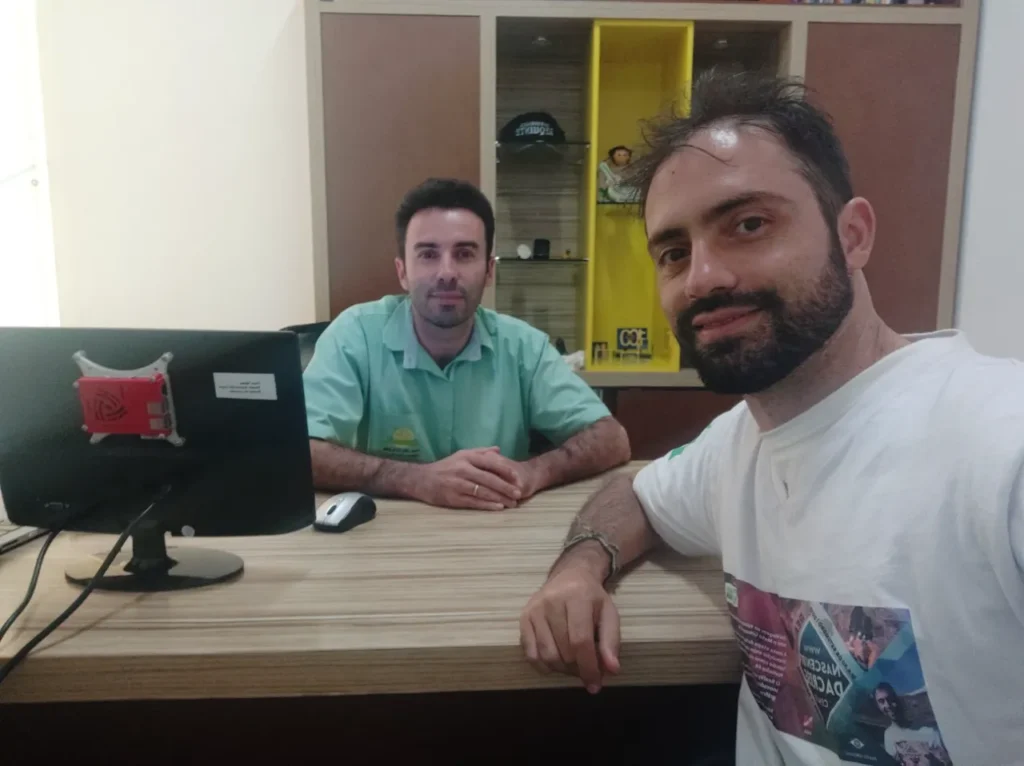
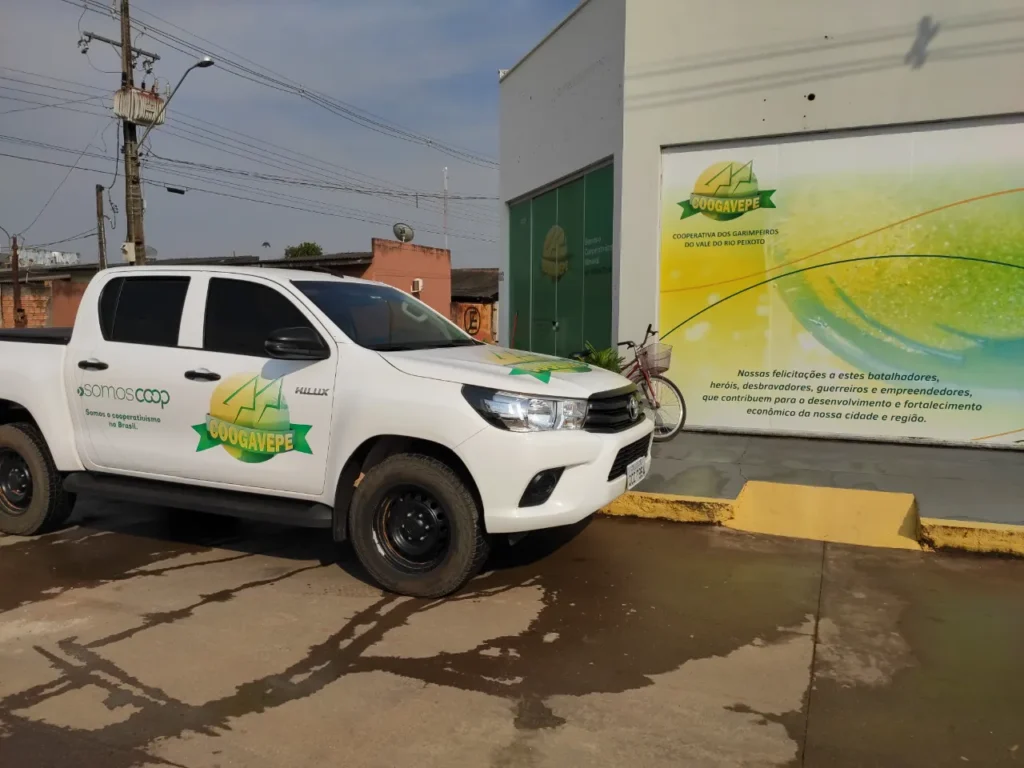
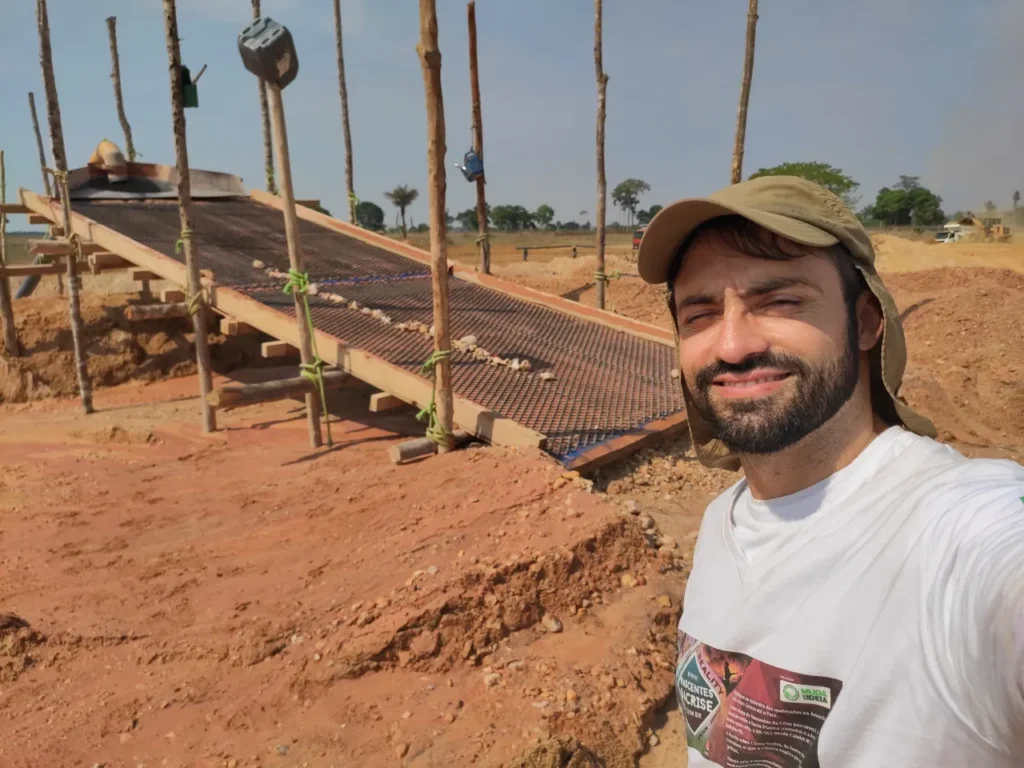
Further north, still in Mato Grosso, in Peixoto de Azevedo, it is shown how a legalized mine operates. The project is associated with COOGAVEPE, the Cooperative of Miners of the Rio Peixoto Valley, which has more than 500 members and breaks paradigms regarding mining in the Amazon.
In Pará, the main record was made in Novo Progresso, a city where the newspaper Folha do Progresso is published, which on 10 August denounced the plans for what is known as the “Day of Fire”, orchestrated to cause fires in forest areas. The last place visited was Itaituba, located 1,500 kilometres from Cuiabá, at the junction of the BR-163 with the Trans-Amazonian Highway (BR-230). The banks of the Tapajós River, the port of the city, are used as the main means of river transport for goods exported all over the planet.
“I believe in the line of research of some scientists who address the influence of the Amazon on the climate regulation of South America. I also agree with the line of thought that associates a gradual and accelerated process of desertification in parts of the Central-West and Southeast of Brazil with deforestation and the advance of the agricultural frontier toward the Amazon”, explains Diego Gazola.
Location
Gallery